
Note: This article was written in early 2020 during the initial outbreak. Some context (such as treatment availability) has changed since. Please refer to health.gov.au for current public health guidance.
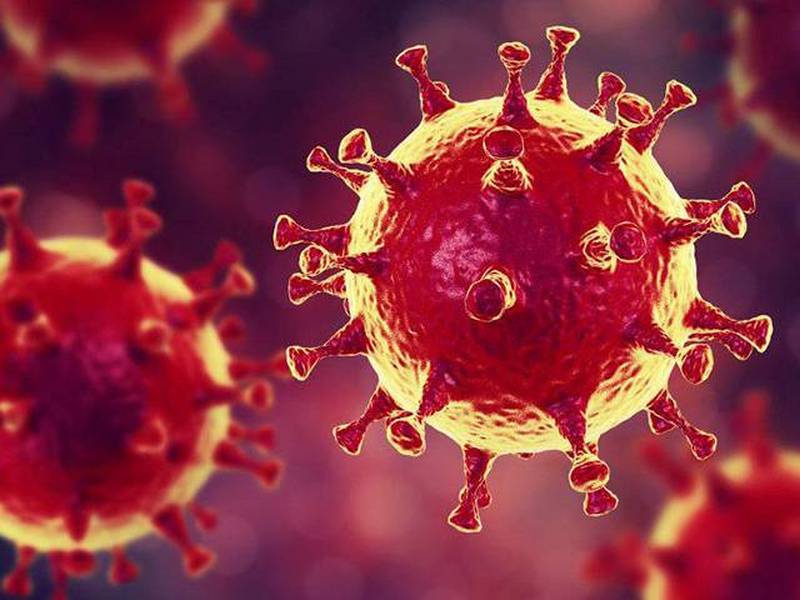
The spread of Novel Coronavirus (2019-nCoV) can potentially be a cause of worry and concern for some people. Anxiety lowers immunity, so my intention in this article is to allay your fears and increase your knowledge and confidence when it comes to infection. Complementary and Alternative Medicine, including Acupuncture, has a lot to offer when it comes to your immune system and your response to infections.
Putting the risk in context
While we don't yet know how virulent this strain of Coronavirus is or how exactly it spreads, at this time deaths can be mainly attributed to a compromised immune system due to an underlying condition, or to being frail or elderly. To put it into context, the 2–3% fatality rate of those infected at the time of writing is similar to the fatality risk of common seasonal influenza. It is possible that, in the future, the virus mutates and becomes more or less dangerous. Supporting immune and respiratory function is important.
Where Acupuncture fits
Acupuncture can support immune resilience and respiratory health alongside conventional medical care. In my next article, Relieve and Prevent Acute Infection, I outline complementary medicines including acupuncture that may support your body's ability to respond to infection.
Following public health guidance
NSW Health has released FAQs that will cover many questions you may have. The WHO recommends the following to help prevent spread:
- Regularly wash your hands with soap and water for at least 20 seconds.
- Cover your nose and mouth when sneezing or coughing with a tissue or flexed elbow. Avoid coughing into your hands. Throw the tissue into a closed bin.
- Avoid close contact with individuals who display cold and flu-like symptoms.
- Avoid touching your eyes, nose and mouth. A face mask may help you remember not to touch your face.
- Avoid travel if you have a fever or a cough.
- Avoid travel if you are immunocompromised or have a chronic illness, or if you are regularly in close contact with individuals with such conditions.
- If you have a fever, cough or difficulty breathing, seek medical care early, and share your travel history with your health care provider. Let your doctor know before you present to their clinic that you have respiratory symptoms so that you are not kept waiting with other patients.
- If you feel unwell during your travels, notify your travel crew.
- Eat only well-cooked food while travelling.