

Most men I see waited a long time before they booked. Often it's been months. Sometimes it's been years.
It's November, which means Movember. This month is about what men tend to put off, and when it's worth getting checked.
What Movember is
Movember started in Melbourne in 2003, when a group of mates grew moustaches for the month to raise money. It's now a worldwide charity for men's health. It covers mental health, prostate and testicular health, and getting regular check-ups.
What men put off
These are the things I hear about most from men in the clinic.
- A sore lower back that settles for a while, then comes back.
- Waking up tired, even after a full night's sleep.
- Less patience than usual, at home or at work.
- Feeling flat by mid-afternoon, and leaning on coffee to get through.
- Getting up at night to go to the toilet more often.
The first four I see every week. The last one is for your GP. A change in how often you need the toilet, especially at night, doesn't always mean something serious, but it's worth checking.
Why men wait
Most of the men I see are busy, and figure the back will settle on its own. Nobody wants to make a fuss over a sore back.
A lot of them were booked in by someone else, usually their partner or their mum. Someone at home has had enough of hearing about it, so they make the call.
If someone at home booked you in, that's fine by me. And if you're the one who usually makes the call, you're welcome to book for him.
How Chinese medicine sees a sore back
In Chinese medicine, the lower back is linked to the Kidneys. So is your energy, and how well you bounce back after a long week.
When a man comes in with a sore lower back, I'll also ask how he's sleeping and how his energy holds up through the day. A sore back often comes with poor sleep, and each one can make the other worse. Looking at both lets me work on the cause as well as the symptom.
Acupuncture may assist with the relief of lower back pain and poor sleep.
Your first visit
Your first visit takes about 75 minutes. We talk through what's going on, how you're sleeping and what's changed lately. I check your pulse and your tongue, then we make a plan together.
The needles are very fine. Most people feel a light tap, then a heavy, relaxed feeling. Plenty of men are surprised by how relaxed they feel on the table.
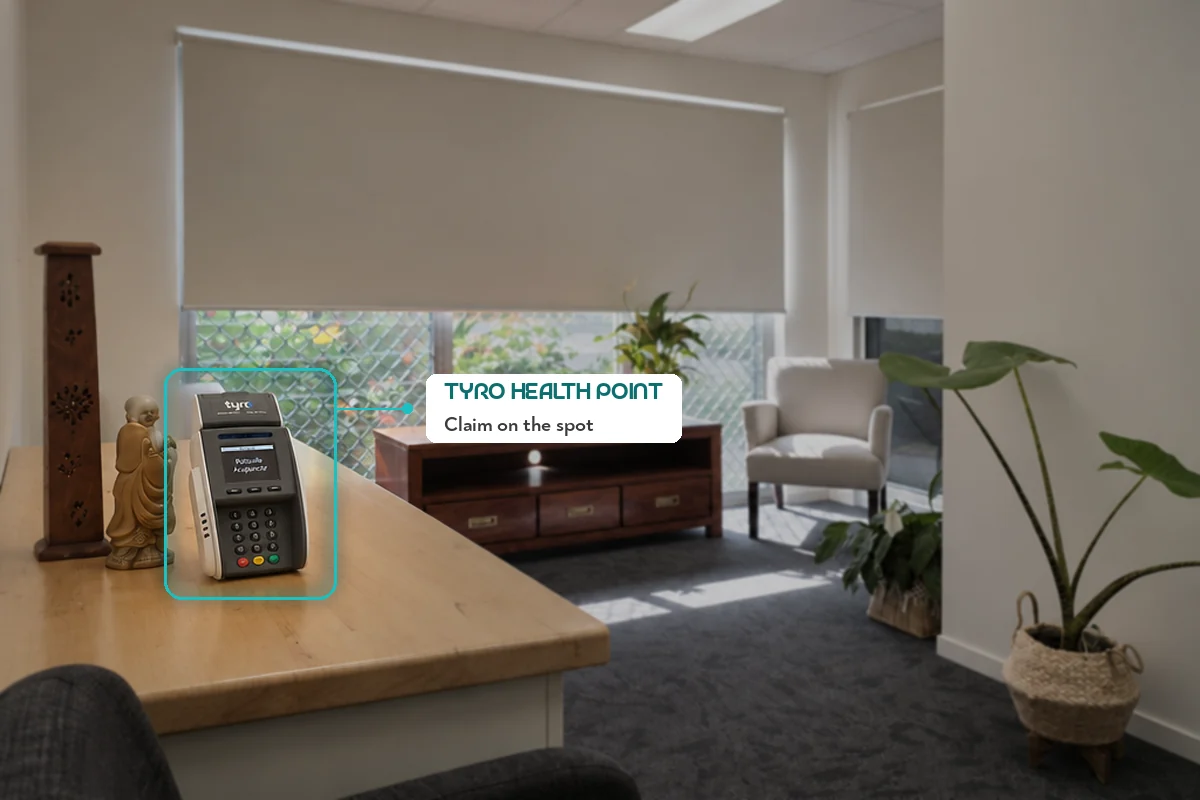
We're a provider for most health funds, and you can claim on the spot through Tyro Health Point (HICAPS). Swipe your health fund card after your treatment and pay only the gap amount, subject to your available health fund benefits. Bring your card with you.
When your GP is the right first stop
Please see your GP first if you notice:
- Changes when you go to the toilet, or blood in your urine
- Chest pain, or getting short of breath more easily
- Back pain with numbness or weakness in your legs, or trouble controlling your bladder or bowel
- Weight loss you can't explain
- A low mood that won't lift
None of these are things to wait on. For sudden or severe chest pain, call 000. Once you've seen your GP, I'm happy to work alongside them.
If you're doing it tough, talk to someone. These lines are free and open any time:
- MensLine Australia: 1300 78 99 78
- Lifeline: 13 11 14
- Medicare Mental Health: 1800 595 212, medicarementalhealth.gov.au
Where to start
Book a check-up with your GP this month. Then, if your back or your sleep has been bothering you, come and see me at 87–89 Tweed Coast Road, Hastings Point. I've practised acupuncture for 35 years, and a lot of that time has been spent on sore backs.
You can book online, or ring the clinic on 0420 437 156. You're welcome to forward this to him.
— Dr Mal